 Image 1 of 2
 Image 2 of 2
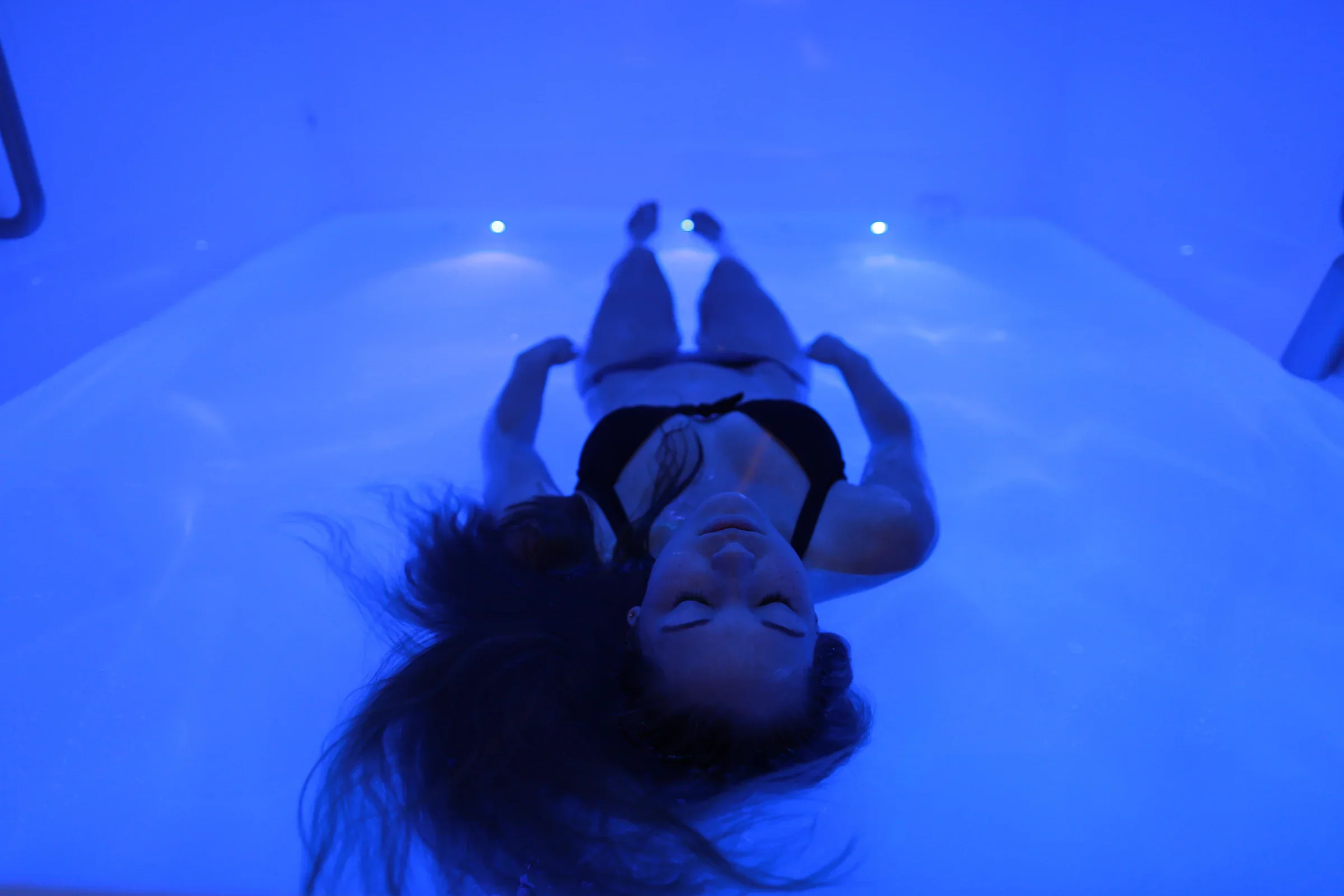
Floatation therapy involves immersing oneself in a shallow pool filled with body temperature saltwater that is designed to provide sensory deprivation. The high concentration of magnesium in the water can help to regulate stress hormones, promote relaxation, and improve sleep quality. Additionally, the buoyancy of the water can help to relieve tension in the body, which can promote feelings of happiness and relaxation.
Research has shown that floatation therapy can have significant benefits for promoting happiness. In a study published in the Journal of Complementary and Alternative Medicine, researchers found that floatation therapy significantly improved mood and feelings of well-being in individuals with stress-related disorders. The study also showed that floatation therapy improved sleep quality and reduced symptoms of anxiety and depression.
People float for various reasons, including stress reduction, pain management, meditation and mindfulness, enhanced creativity, improved sleep, and athletic recovery. The weightlessness and absence of external stimuli promote relaxation, alleviate stress, and provide a conducive environment for introspection and problem-solving. Floating can be a valuable tool for overall well-being and is often used by individuals seeking relaxation, mental clarity, and physical rejuvenation.
Floatation therapy involves immersing oneself in a shallow pool filled with body temperature saltwater that is designed to provide sensory deprivation. The high concentration of magnesium in the water can help to regulate stress hormones, promote relaxation, and improve sleep quality. Additionally, the buoyancy of the water can help to relieve tension in the body, which can promote feelings of happiness and relaxation.
Research has shown that floatation therapy can have significant benefits for promoting happiness. In a study published in the Journal of Complementary and Alternative Medicine, researchers found that floatation therapy significantly improved mood and feelings of well-being in individuals with stress-related disorders. The study also showed that floatation therapy improved sleep quality and reduced symptoms of anxiety and depression.
People float for various reasons, including stress reduction, pain management, meditation and mindfulness, enhanced creativity, improved sleep, and athletic recovery. The weightlessness and absence of external stimuli promote relaxation, alleviate stress, and provide a conducive environment for introspection and problem-solving. Floating can be a valuable tool for overall well-being and is often used by individuals seeking relaxation, mental clarity, and physical rejuvenation.